On the weekend, we had a short getaway and caught up with an old friend who had been my neighbour when we were very small children. It gave us the chance to reminisce about our childhood, share memories, and see what has happened over the years.
Growing up in the 1960’s was a very different time. Women were mostly home with their children – child care was too expensive for the working class. Families usually had only one car, which Dad took to work. Neighbours were really dependent on each other. Borrowing a cup of sugar, or whatever we needed for a recipe, was common. My parents knew everyone in the street. I remember calling in on different people with her regularly.
When we got a phone, it was one of the only ones in the street. I remember often being sent next door to fetch teenage Diane, to take a call for her friends. She would sit happily chatting away in our kitchen for as long as it took. It was perfectly acceptable.
My parents formed close friendships. Our friend’s parents were lifelong friends with mine. Our families were part of each other’s lives.
When I came home, I looked down my street. Do I know my neighbours? Have we forged relationships the way my parents did?
Honestly, I can say a resounding no. Yes, my mother was more outgoing than I have ever been; however, I don’t even know the names of some of my neighbours. I don’t need to rely on them, and they don’t rely on me. We have become self-sufficient in our lives. We don’t need to share a phone, or borrow the next recipe item that I’ve run out of. I just get in my car and go to the shop that’s open all hours.
I know some people do create close bonds with neighbours; however, in general, it seems that our independent lifestyles have taken something away from us. When I spoke with Ben Smith about community, on Chocolate and Coffee Break, he shared an analogy of a pine plantation where the trees stood strong together, protecting one another from wind and harsh weather. But when many were removed, the remaining trees began to fall. Without the support of those around them, they became vulnerable. Ben draws a powerful parallel with human communities. Just like those trees, we are stronger when we have people around us to lean on, support us and help us weather life’s challenges.
While we have focused so much on building our independence, we have forgotten how much we need each other.
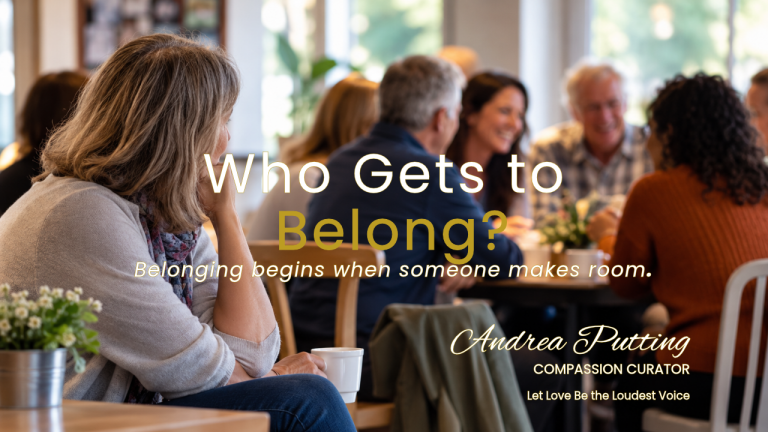
While we no longer need to knock on each other’s doors to borrow the essentials of life, have we stopped making room for the people living around us?
We can smile and be friendly to those around us without ever building a relationship. We can live beside others for twenty years and never know anything about them. But what happens when someone becomes ill, loses a partner, feels lonely, or simply needs someone to notice that something isn’t right?
Sometimes, knowing our neighbours becomes more than a matter of friendship. Through my volunteering as a Community Chaplain, I’ve seen how important these connections can be when an emergency strikes. In an emergency, do we know our neighbour’s needs? Who is looking out for them? Can they evacuate if needed? Will they check in on us?
In emergency relief centres, the importance of knowing your neighbours often comes to light. When people feel shattered and uncertain about the future, belonging in their community can powerfully shift them from shock to safety. I’ve sat with people in a state of anxiety after evacuation. Their whole lives have been turned upside down. They are anxious, and their world is filled with uncertainties. Then a neighbour or friend walks in, and everything turns around for them. Here is someone and something familiar. It brings them back to belonging and the understanding that home is more than a place.
When I look down my street now, I realise there are people living just a few doors away whose names I don’t even know. Perhaps that’s where I need to begin. Taking a little more time to stop and talk, to learn someone’s name, and to become more than the person who waves as I drive past.
We may no longer need to borrow a cup of sugar, but we still need one another.
Perhaps it’s time we started being neighbours again