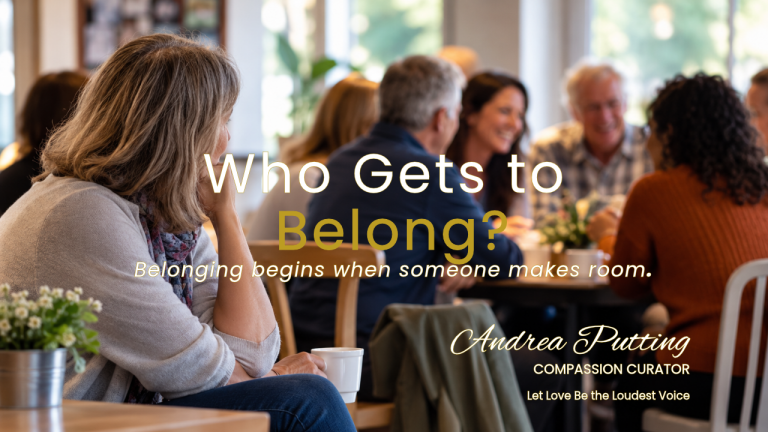
A few years ago, I attended a meeting of a group. I wanted to find out if this was a place for me. I was welcomed, encouraged to participate and invited to return, even though I didn’t fit the criteria for membership. Everyone was friendly towards me, and I enjoyed the evening. At the time, my budget couldn’t stretch to regular attendance.
Sometime later, I was speaking with a friend about the organisation. He and his wife had been involved in it and had even taken a leadership role. Their experience was completely different to mine. His description of attending, especially for the first time, was as if we had attended completely different organisations.
He told me the group wasn’t welcoming. They are Muslim, and she wears a hijab. They stuck it out because it was a professional group. They thought the connection could help them on their path. But they never felt accepted.
How could the same organisation offer such different experiences? I had been welcomed without hesitation, while my friends had worked hard to become part of the group and still felt they didn’t belong.
Although I know the feelings of being left out or not accepted, as a white Christian Australian, I have never experienced this type of prejudice.
Until I had this conversation, I saw the group as friendly and welcoming. My experience hadn’t changed, but my perspective of the group had.
My experience and my friends’ experience were both valid. I could easily dismiss what they told me because it was different to what I had experienced. But in doing so, I would be dismissing them. The welcome I received didn’t diminish the exclusion they felt.
And that was difficult for me. If they don’t belong, did I? Do I want to be a part of a group that welcomed me, but where my friends never felt accepted?
It leaves me with a question. Does belonging mean as much to us when we discover that others are struggling to find it in the same place?